HOME SOLAR SYSTEM GALACTIC EVENTS ASTRONOMERS COSMIC BELIEFS

EXPLORE THE COSMOS

Journey through the wonders of our universe with interactive 3D models, cosmic phenomena visualizations, and the stories of the great minds who revealed the cosmos to us.

3,124 explorers online
Featured in NASA, NatGeo, Science

Interactive Solar System

Click and drag to explore planets in 3D

Real-time astronomical data

VR compatible

INTERACTIVE

3D SOLAR SYSTEM EXPLORER

Navigate our cosmic neighborhood with this interactive model. Click on planets to reveal detailed information about each celestial body.

Distance from Sun

Orbital Period

Diameter

Moons

QUICK FACTS

SELECT A CELESTIAL BODY

GALACTIC PHENOMENA

Explore the most spectacular events occurring in our galaxy and beyond

Supernova Explosion

A supernova is a powerful and luminous stellar explosion that occurs during the last evolutionary stages of a massive star.

Occurs about 3 times every century in our galaxy

Black Hole

A region of spacetime where gravity is so strong that nothing—no particles or even electromagnetic radiation can escape.

Sagittarius A* at our galaxy's center

Nebula Formation

Nebulae are giant clouds of dust and gas in space where new stars are born from collapsing gas and dust.

Star nurseries like Orion Nebula

GREAT ASTRONOMERS

The visionary minds who expanded our understanding of the cosmos

Galileo Galilei

Galileo Galilei

The father of modern observational astronomy who improved the telescope and supported the Copernican revolution.

1564-1642
Telescope Pioneer
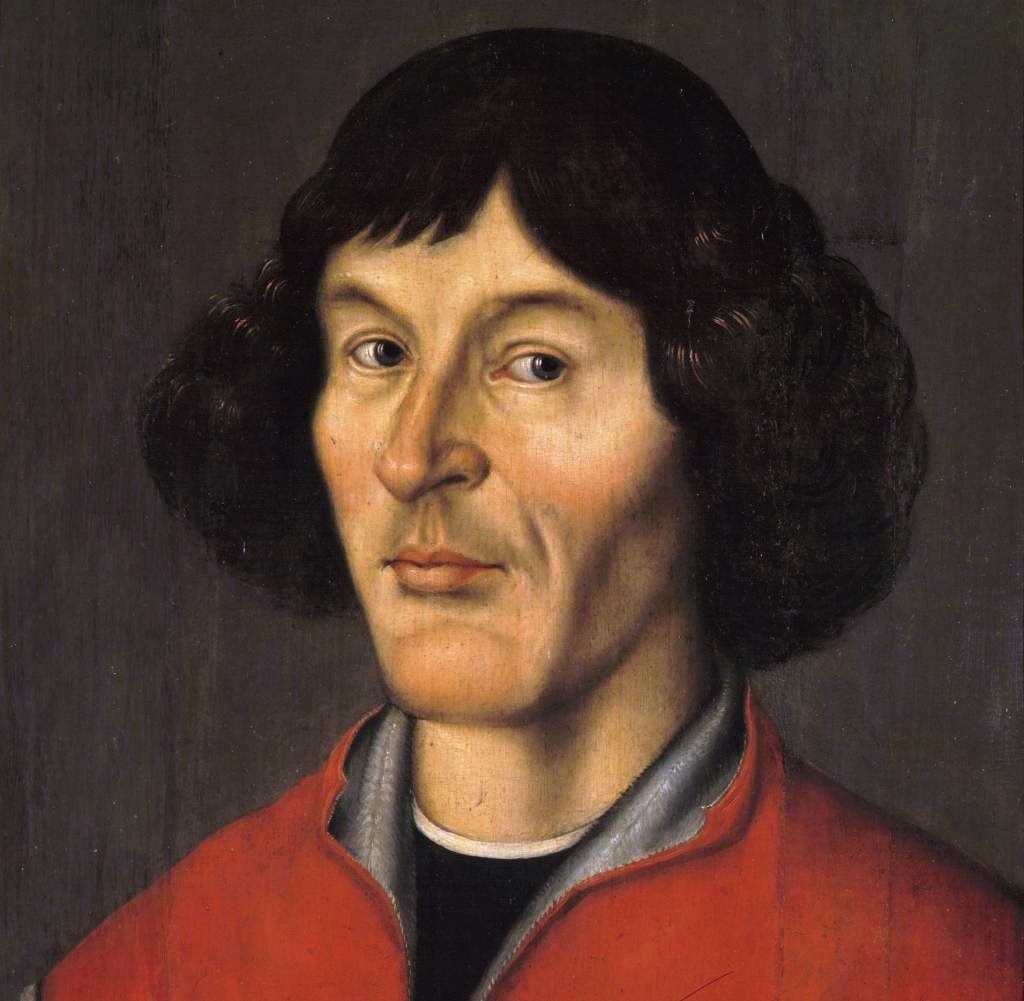
Nicolaus Copernicus

Nicolaus Copernicus

Formulated the heliocentric model of the universe, placing the Sun rather than Earth at the center.

1473-1543
Heliocentrism
Edwin Hubble

Edwin Hubble

Discovered that galaxies exist beyond the Milky Way and the universe is expanding.

1889-1953
Expanding Universe
Carl Sagan

Carl Sagan

Astronomer who popularized science through Cosmos and contributed to planetary exploration.

1934-1996
Science Communicator

COSMIC BELIEFS

How different cultures interpreted the celestial phenomena throughout history

Islamic Astronomy

Medieval Islamic astronomers made significant advances in observational techniques and developed sophisticated astronomical instruments.

  • Developed astrolabes and celestial globes
  • Named many stars we still use today
  • Built some of the first observatories

Chinese Astronomy

One of the longest continuous astronomical records, with observations dating back to the Shang dynasty (1600-1046 BCE).

  • Recorded supernovae and comets
  • Developed elaborate star maps
  • Used astronomy for timekeeping

Mayan Astronomy

The Maya civilization developed a sophisticated understanding of astronomy that influenced their calendar systems.

  • Accurate Venus cycle calculations
  • Elaborate celestial alignments in architecture
  • Advanced calendar systems
STAY UPDATED

COSMIC NEWSLETTER

Subscribe to receive the latest astronomical discoveries, celestial events, and space exploration news directly to your inbox.

We respect your privacy. Unsubscribe at any time.